Protect Endangered Species on Valentine’s Day?

Valentine’s Day. A day for lovers. But according to the Center for Biological Diversity (CBD), it could be a very bad day for biodiversity. That’s because, so goes the argument, what lovers (heterosexual lovers, anyway) do—not just on Valentine’s Day but all year long—threatens to increase human population. And, as everyone knows, growing human population […]

Protect Endangered Species on Valentine’s Day? Learn More »

A Christian Perspective on Biodiversity: Anthropocentric, Biocentric, and Theocentric Approaches to Bio-Stewardship

Maintaining Biodiversity: A Generally Good End Whatever our assumptions, I think all of us here would agree that, in general, maintain­ing biodiversity is a good end. None of us would favor the willy-nilly elimination of species, subspecies, varieties, or even distinct populations of varieties of life. Yet I say that maintaining biodiversity is a good

A Christian Perspective on Biodiversity: Anthropocentric, Biocentric, and Theocentric Approaches to Bio-Stewardship Learn More »

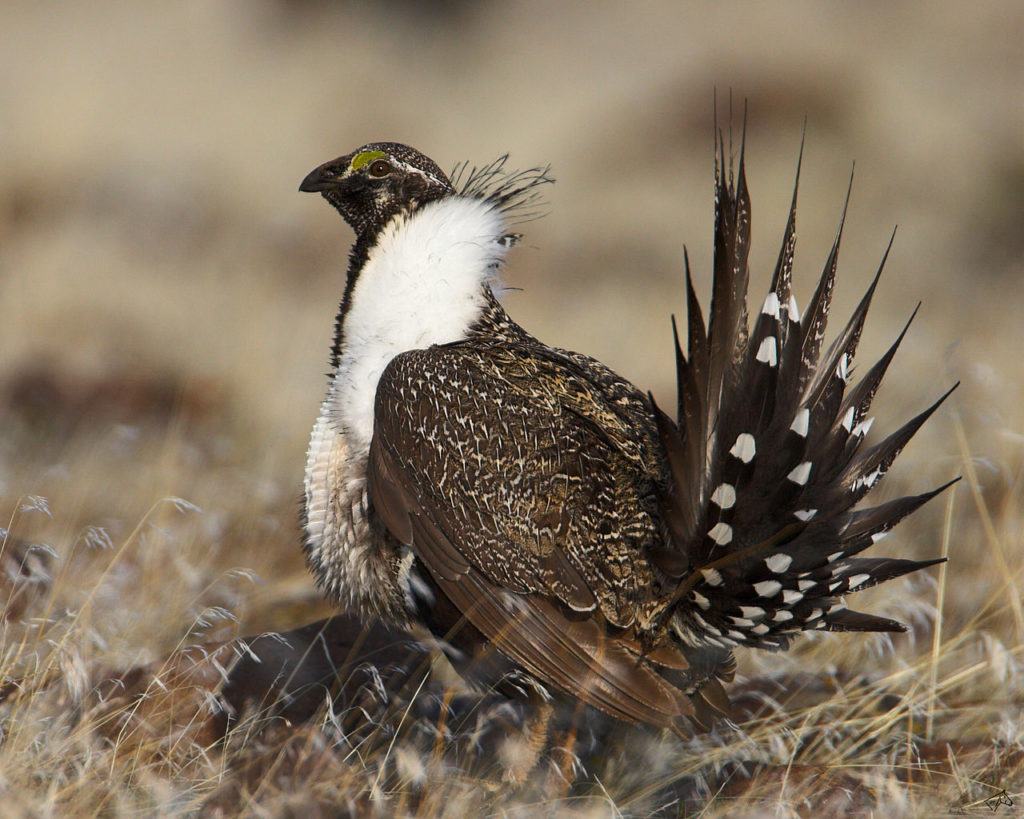
Why do Ranchers Grouse about Federal Regulations to Protect Sage Grouse?

One of the basic principles of environmental stewardship is that the people closest to a problem are likely to understand it best. Yes, there might be exceptions when experts from outside can come to understand it better, but what really happens in those instances is that the outsiders get up close. If they don’t, they won’t.

Why do Ranchers Grouse about Federal Regulations to Protect Sage Grouse? Learn More »

Whom to Trust? NASA GISS, NASA, or Cornwall Alliance?

After citing a couple of Cornwall Alliance’s articles in discussion, an educator friend got this response from one of his former students: The problem with referencing the Cornwall Alliance to discredit statistics from the NASA Goddard Institute for Space Studies is that one (the Cornwall Alliance) is a political advocacy organization with no scientific relevance while

Whom to Trust? NASA GISS, NASA, or Cornwall Alliance? Learn More »

Canine Predator Control Devices: Should We Use them?

M-44s are spring-loaded devices that eject powdered sodium cyanide to kill the animal that pulls it. They were designed for the purpose of controlling canine predators such as coyotes. Unlike other control devices which require the animal to push (e.g. footholds), M-44s require the animal to bite and pull. When the animal bites and pulls,

Canine Predator Control Devices: Should We Use them? Learn More »