Hormuz Choke Point Displays ‘Green’ Vulnerabilities and US Power

In the volatile waters of the Strait of Hormuz, maritime traffic has slowed to an agonizing crawl. Roughly a fifth of global oil trade passes through this narrow passage. Nearly half of the crude headed toward Asia must cross these waters. As the Iran war escalated, insurance firms raised premiums sharply, ship operators slowed departures, […]

Hormuz Choke Point Displays ‘Green’ Vulnerabilities and US Power Learn More »

Introducing our New (and Not-so-New) Podcast

We’re excited to announce a new chapter for the Cornwall Alliance podcast. After several years under the title Created to Reign, the show is relaunching with a new name: Sanity Check. The change reflects something simple but important—our desire to bring clarity, reason, and careful thinking back into conversations about the environment, economics, and human flourishing. In

Introducing our New (and Not-so-New) Podcast Learn More »

AI Data Center Developers Will Finance Nuclear Energy Investment

At a time when huge AI data center electricity demands are projected to cause domestic shortages, drive up costs and overwhelm transmission grid capacities, President Trump has a better idea; namely to have them apply ingenuity and enterprise to directly power up their own projects. During his Feb. 24 State of Union Address, the president

AI Data Center Developers Will Finance Nuclear Energy Investment Learn More »

The Scientists Who Declared War on Half of America

This book review was originally posted at Minding the Campus, a project of the National Association of Scholars. The title I had proposed was: “The Hobbits Go to War,” but their recommendation is better. Today also represents the very rare (unprecedented?) multiple-THB posts in one day. Sorry for flooding your in-box — but it is good

The Scientists Who Declared War on Half of America Learn More »

Farewell to a Dear Friend and Mentor

In the summer of 2006, just a year after the Cornwall Alliance began (initially under the name of Interfaith Stewardship Alliance), I joined a variety of scientists, economists, and other scholars in publishing A Call to Truth, Prudence, and Protection of the Poor: An Evangelical Response to Global Warming. That prompted many talk show hosts to interview me on

Farewell to a Dear Friend and Mentor Learn More »

Reliable Solar Has Larger Land Footprint Than Previously Thought

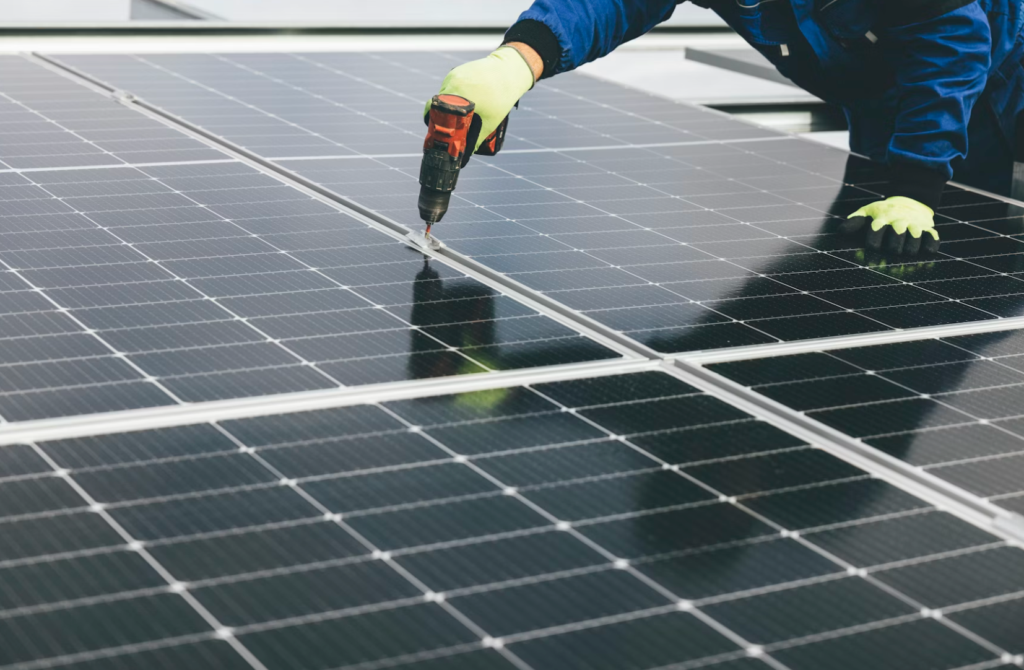
In comparison with traditional electric power generating sources, such as coal, natural gas, nuclear, and hydroelectric, solar power has a tremendous land footprint per amount of electricity generated. In general, as discussed in “Energy at a Glance: Solar Power” and “Affordable, Reliable, and Clean: An Objective Scorecard to Assess Competing Energy Sources,” research shows solar power

Reliable Solar Has Larger Land Footprint Than Previously Thought Learn More »

What’s Up with Beef?

“Where’s the beef?” If you are old like me, you will remember the famous 1984 advertising slogan by the fast-food chain, Wendy’s. Actress Clara Peller uttered those famous words to criticize competitors for having small hamburger patties. The phrase now has become a cultural phenomenon used to question the substance or content of products, ideas,

What’s Up with Beef? Learn More »

Glyphosate, Agricultural Productivity, and Food Security: A Risk Based Policy Assessment in the Context of Modern Food Systems 

Executive Summary  Glyphosate is among the most consequential agricultural technologies introduced in the past halfcentury. Its widespread adoption has reshaped weed management, reduced tillage, stabilized yields, and lowered production costs across much of global agriculture. At the same time, glyphosate has become a focal point of public controversy, driven by hazardbased classifications, litigation, and advocacy campaigns that often

Glyphosate, Agricultural Productivity, and Food Security: A Risk Based Policy Assessment in the Context of Modern Food Systems  Learn More »

New York Times Gives Wind Turbines a Free Pass to Slaughter Birds

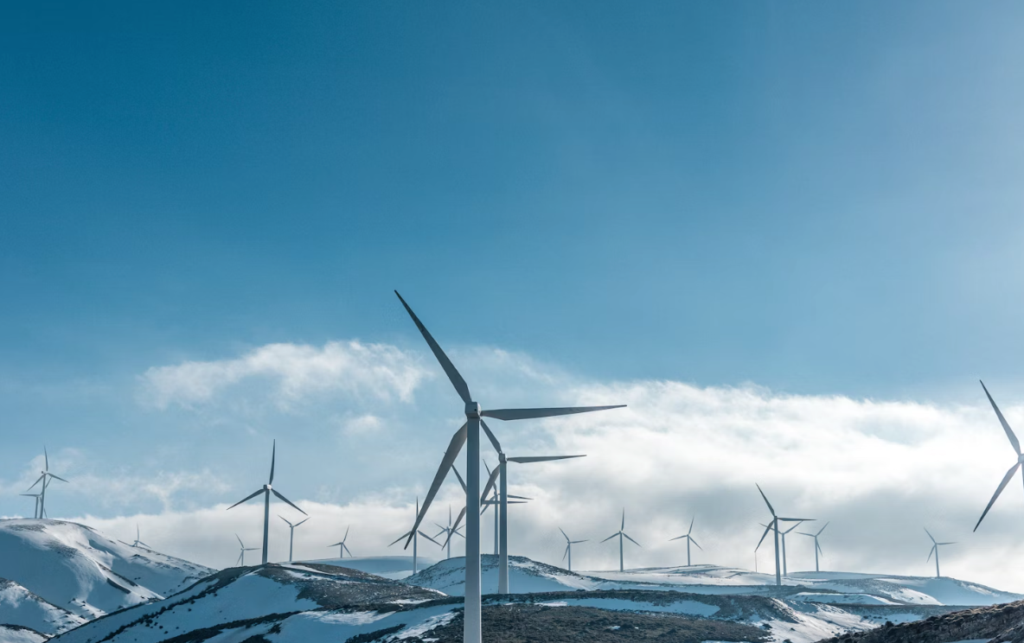
Last year, the New York Times ran “50 States, 50 Fixes,” a sprawling series of articles purporting to offer solutions to environmental, especially climate, challenges across America. Writing for the Cornwall Alliance for the Stewardship of Creation, I’m challenging that series, one by one, demonstrating that many of the supposed environmental fixes cause their own environmental problems.

New York Times Gives Wind Turbines a Free Pass to Slaughter Birds Learn More »